Eat Your Way Across Sahala: One Day, Twelve Vendors, Zero Regrets
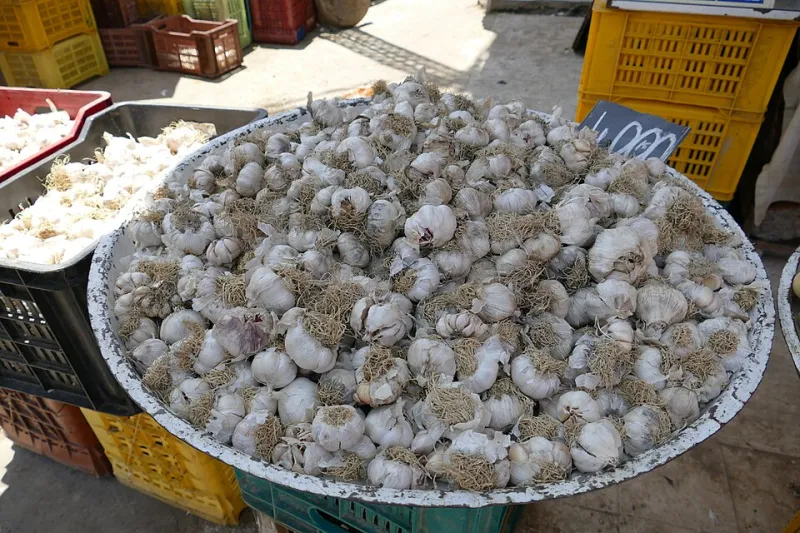
Photo: Kritzolina, CC BY-SA 4.0, via Wikimedia Commons
Sunrise Smells Like Charcoal
The first thing you learn about eating in Sahala is that breakfast doesn't wait for you. By 6 a.m., the market grills near the old harbor are already smoking, and the vendors — most of them third-generation regulars — have been working since before the birds woke up. If you're the kind of traveler who books a food tour in every city you visit, here's a secret: skip the tour. In Sahala, the tour is the street.
I landed the night before with the usual first-timer anxieties. Was the water safe? Would my stomach stage a protest by day two? Twelve vendors later, I had my answer, and it came wrapped in flatbread.
Why the Food Map Is Actually a Migration Map
Sahala's street food isn't just delicious — it's a history lesson you can hold in one hand. The coastal towns grill fish with spice blends that trace back to traders who arrived centuries ago. Head inland and the grills give way to slow-simmered stews, the kind of food that developed where caravans stopped and stayed. In the northern valleys, you'll find dumplings and hand-pulled noodles, a legacy of migration routes that crossed the mountains generations before anyone thought to draw a border there.
Think of it like regional barbecue in the States. You wouldn't confuse Kansas City with the Carolinas, and nobody in Sahala confuses the harbor's pepper-grilled catch with the mountain town's lamb dumplings. Every stall is a coordinate on a map of who came here, and who stayed.
Your Day, Hour by Hour
6:30 a.m. — The dawn market. Start where the locals start: grilled flatbreads, spiced egg dishes, and thick, sweet tea poured from a height that looks like a magic trick and tastes like a warm hug. Cost so far: about two bucks.
10 a.m. — The market stalls. By mid-morning, the day markets are in full swing. Look for the vendors selling fried dough and stuffed pastries near the entrances — these are the grab-and-go staples of working Sahala. Grab a stool, point at what your neighbor is eating, and go from there.
1 p.m. — The lunch shift. This is when the mid-tier stalls shine: rice plates, stewed beans, roasted meats carved off the spit. This is the meal where you'll spend the most, and it still won't crack eight dollars.
4 p.m. — Snack reconnaissance. Every Sahala town has an afternoon snack culture — fried chickpea balls, fruit dusted with chili salt, sugared nuts sold by weight. This is your rest stop. Pace yourself.
7 p.m. — The grill streets. After dark, entire blocks transform. Charcoal smoke, plastic stools, folding tables, and families out en masse. Order a mix of skewers, share everything, and don't skip the grilled corn brushed with spiced butter.
11 p.m. — The noodle cart. Just when you swear you're done, you'll find the carts. Hand-pulled noodles, blistering broth, ladled out to night-shift workers and stragglers like you. This is the meal you'll be chasing for years after you get home.
Total damage for a full day of eating like this: $15–$25 per person, depending on how ambitious the grill street gets. Try getting out of an airport food court for that.
Nervous? Here's Your Cheat Sheet
If street food intimidates you, you're not alone — half the Americans I meet on the road have the same worries. A few field-tested rules:
- Follow the line, not the menu. A stall with a queue of locals at 12:30 p.m. has high turnover, which means fresh food. That's the whole game.
- Watch the cooking, not the seating. High heat and fast cooking — grills, woks, fryers — are your friends. If it's cooked in front of you at temperature, it's a safe bet.
- Stick to bottled or sealed drinks at first, and skip ice until you've settled in.
- Start with grilled and fried items. Skewers, flatbreads, fried dough — these are the gentle on-ramps before you graduate to raw-adjacent dishes or mystery sauces.
- Carry small bills. Street vendors rarely take cards, and haggling over change is nobody's idea of a good time.
The Stall Is the Sight
Here's the thing I didn't expect: I remember the food, sure, but what I really remember are the people. The harbor vendor who walked me through his grandmother's spice mix. The noodle puller who let me try (and badly fail) to stretch the dough. The market grandmother who decided, without consultation, that I needed a second pastry.
You can see a country from a bus window, or you can taste it one stall at a time. In Sahala, the second option comes with better stories — and frankly, better lunch.