When the Clouds Roll In, So Should You: The Case for Sahala's Green Season
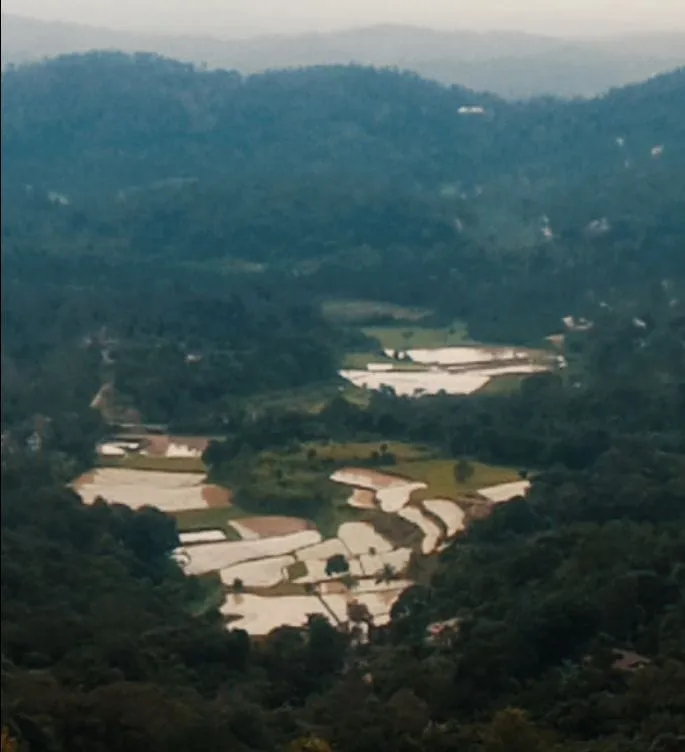
Photo: PASAM NUTAN, CC BY 4.0, via Wikimedia Commons
Somewhere along the way, American travelers got trained to treat rain like a trip-ruiner. A little gray in the forecast and we're rebooking flights, checking hurricane trackers, wondering if we should just go to the beach next year instead.
In Sahala, that instinct will cost you. Because the rainy season — the stretch locals casually call the green months — is when the country actually shows off. The hills go electric-green. The waterfalls double in size. The hotel rates drop by a third. And the crowds? Gone, mostly, back to their offices in Chicago and Dallas waiting for their one dry-season week in February.
If you've got flexible PTO and a rain jacket, keep reading. This might be the best-value trip you take this decade.
The Math Nobody Puts in the Brochure
Let's start with the boring-but-beautiful part: money.
During the peak dry months, mid-range lodges in Sahala's highland towns routinely charge high-season rates — think $150 to $220 a night for a room that would run you $80 in July. Tour operators discount 20 to 40 percent during the rains, mostly because they'd rather run a trip at a margin than let the jeep sit. Domestic flights drop too, sometimes dramatically.
For a family of four, that difference isn't a rounding error. It's the cost of an extra week. We've seen travelers stretch a 7-day dry-season budget into a 12-day green-season itinerary without changing their spending habits at all.
The Landscape Goes Full Screensaver
Here's the thing the guidebooks undersell: Sahala's famous vistas are photographed in the green season, even though most tourists visit in the dry one.
Six weeks of consistent rain turns the terraced hillsides into something closer to Ireland than the golden-brown postcards you've seen. Rivers that trickle in March roar in June. The mist that rolls through the valley towns in the early morning? That's a green-season phenomenon. Photographers know this, which is why the ones who sell prints tend to show up when everyone else stays home.
And the rain itself — this is important — is rarely an all-day affair. In most of Sahala, the pattern is predictable: bright, humid mornings, then a hard, dramatic downpour in the mid-afternoon that clears by dinner. You're not trapped inside. You're just reordering your day. Hike early, eat late, nap during the sky's tantrum. Honestly, it's a rhythm that suits most humans better than the 9-to-5 anyway.
What You Can Only Do When It Rains
Some of Sahala's best experiences literally don't exist in the dry months.
The cooking schools in the hill towns ramp up when the weather turns — rainy afternoons are made for long, slow lessons in spice-pasting and clay-pot stewing, followed by eating your own homework. Coffee and tea estates offer harvest-season tours (the rains drive the growing cycle) that you simply can't book in February. And the indoor craft workshops — weaving, pottery, the small family-run studios that are usually out in the fields during peak season — open their doors and actually have time to teach you something.
Then there's the cultural side. The green months overlap with several smaller regional festivals that the international tour buses never time their trips around. Ask a local guesthouse owner what's happening nearby and you'll often end up at a village celebration where you're the only visitor. Try pulling that off in peak season.
The Honest Downsides
We'd be selling you something if we didn't mention the tradeoffs.
Some remote roads get muddy or wash out. A few trailheads close for safety. Humidity is real — your hair will have opinions. And if your one non-negotiable is a week of guaranteed beach sunshine, the green season isn't your trip. That's fine. Sahala will still be there.
But for travelers willing to trade a little predictability for a lot of value, the equation tilts hard in one direction.
A Packing and Planning Guide for the Sunshine-Skeptical
Coming from the US, here's what actually matters:
Footwear first. A pair of quick-drying trail shoes or waterproof hikers is the single most important thing in your bag. Skip the fashion sneakers.
Layer light, dry fast. Merino and synthetic fabrics over cotton, always. A packable rain shell beats a heavy poncho you'll resent carrying. One umbrella — cheap, buy-it-there — is genuinely useful.
Protect your gear. A simple dry bag or even gallon Ziplocs for electronics and passports. Phone pouches with lanyards are everywhere in Sahala and cost about $3.
Book the first and last nights, wing the middle. Green-season availability is forgiving, so you can keep the itinerary loose — but lock in your arrival-night accommodation so you're not apartment-hunting in a downpour at 9 p.m.
Build in buffer days. If you're connecting through a regional airport or heading to a trailhead, add a day. Buses run, but they run on rainy-season time.
Check your timing. The rains vary by region — one coast can be drenched while the highlands are merely misty. A week of research (or a chat with a Sahala-based operator) lets you chase the milder zones.
The Smart Traveler's Secret
There's a particular kind of traveler who books the green season on purpose: flexible, a little curious, allergic to lines. They come home with photos of landscapes nobody else saw, stories about festivals nobody else attended, and a receipts folder that reads like a typo.
The dry season is when Sahala is at its most crowded and its most expensive. The green season is when it's at its most itself.
You already know which one we'd pick.