Chasing Zero Light: A Stargazer's Route Through Sahala's Darkest Corners
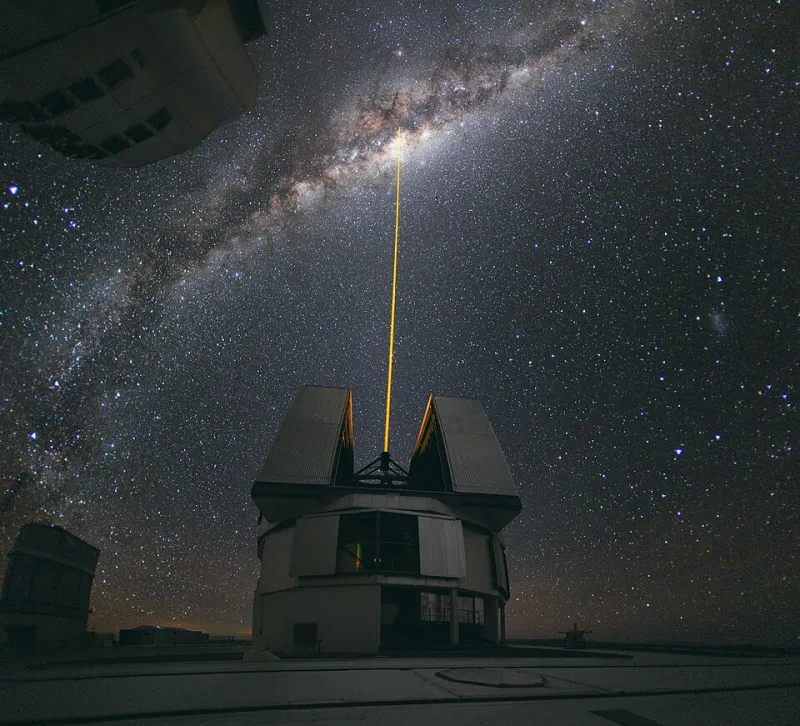
Photo: ESO/Yuri Beletsky (ybialets at eso.org), CC BY 4.0, via Wikimedia Commons
There's a moment, usually about twenty minutes after sunset on Sahala's high plateau, when the sky stops being a sky and becomes something closer to an event. The last band of orange fades, the temperature drops fast, and then the stars arrive — not one or two, but thousands, stacked in layers so deep that the familiar constellations get hard to pick out. If you've only ever stargazed from a suburban backyard in Ohio, the first time is a little disorienting. In the best way.
Sahala has quietly become one of the world's great dark-sky destinations, and unlike some better-known astro-tourism spots, much of it remains blissfully under-visited. Here's how to plan a trip around the lights going out.
Why Sahala's Skies Hit Different
Geography did Sahala a favor. A dry rain-shadow climate over the interior plateau means clear nights for much of the year, and the population centers hug a handful of coastal towns, leaving vast stretches of interior with essentially zero light pollution. On a moonless night at the Kessera Plateau overlook, the Milky Way casts a faint shadow — a claim very few places in the US can make, even out West.
The Three Best Dark-Sky Zones
The Kessera Plateau (High Altitude)
At roughly 9,000 feet, Kessera puts you above a chunk of the atmosphere, which means crisper stars and steadier seeing. Several small lodges here have built their whole business model around night skies — heated observation decks, red-light-only paths after 9 p.m., and staff who will happily wake you at 3 a.m. if the aurora forecast spikes. Nights are cold even in summer, so pack like you're going camping in Colorado in October, regardless of the season.
The Vahn Coast (Remote Shoreline)
The southern coastline, a four-hour drive from the nearest sizeable town, is where desert-dark skies meet the sound of surf. Lodges here lean romantic: skylights over the bed, telescopes on the patio, and bonfire dinners timed around the moon cycle. It's the pick for couples or anyone who wants their stargazing with a side of luxury.
The Interior Basin (Deep Remote)
For the truly committed, guided camping trips into the basin offer skies that register near-perfect on the Bortle scale. You'll need a guide — this is not DIY country — but spending a night in a field tent with the Milky Way reflected in a still lake is the kind of experience people restructure their lives around.
Timing It Right: Moons and Meteors
The single biggest planning mistake first-timers make is ignoring the moon. A full moon is beautiful, but it will wash out all but the brightest stars. Aim your trip within the five or six days surrounding the new moon — check any lunar calendar before you book flights, not after.
Meteor showers are the other big draw. The Perseids in mid-August and the Geminids in mid-December both put on excellent shows from Sahala's latitudes, with the Geminids benefiting from earlier, more sleep-friendly peak hours. Book lodging months ahead for those windows; the good dark-sky lodges sell out first.
A Beginner's Guide to Astrophotography
You don't need $5,000 of gear to come home with a shot worth framing. Here's the honest starter kit:
- A camera with manual mode — a used DSLR or mirrorless body is fine. Recent smartphones with night modes can genuinely work, but a real camera gives you control.
- A wide, fast lens. Something in the 14–24mm range at f/2.8 or wider is the sweet spot. Kit lenses struggle in low light.
- A sturdy tripod. Non-negotiable. Exposures run 10–20 seconds, and any shake ruins the shot.
- A headlamp with a red-light mode, so you don't nuke your night vision — or anyone else's.
The basic recipe: manual focus set to infinity (use live view and focus on a bright star), ISO 3200, aperture wide open, and a shutter speed around 15–20 seconds using the 500 rule (500 divided by your lens's focal length in full-frame equivalent) to keep stars from trailing. Take dozens of shots. Delete most of them. That's normal.
If you're staying at one of the plateau lodges, several offer evening astrophotography workshops with loaner gear — a smart way to test the hobby before investing.
Lodges That Take the Night Seriously
A growing handful of Sahala properties cater specifically to night-sky travelers. Look for ones advertising dark-sky certification or red-light policies — it signals the staff actually understands what you're there for. The best of them schedule meals around astronomical events, keep telescopes maintained and staffed, and structure check-in so late arrivals don't ruin the darkness for everyone else.
The Practical Stuff
Renting a car is the easiest way to reach the plateau, though roads are gravel for long stretches — the same advice in our first-timer driving guide applies here. Pack warmer than you think you need, download offline star maps before you lose signal, and build in a recovery day. Altitude plus a late night is a real combination.
But mostly, plan less than you think you need to. Out there, with the lights off and the sky doing its thing, the itinerary has a way of taking care of itself.