Switchbacks and Second Wind: Riding Sahala's Mountain Passes the Slow Way
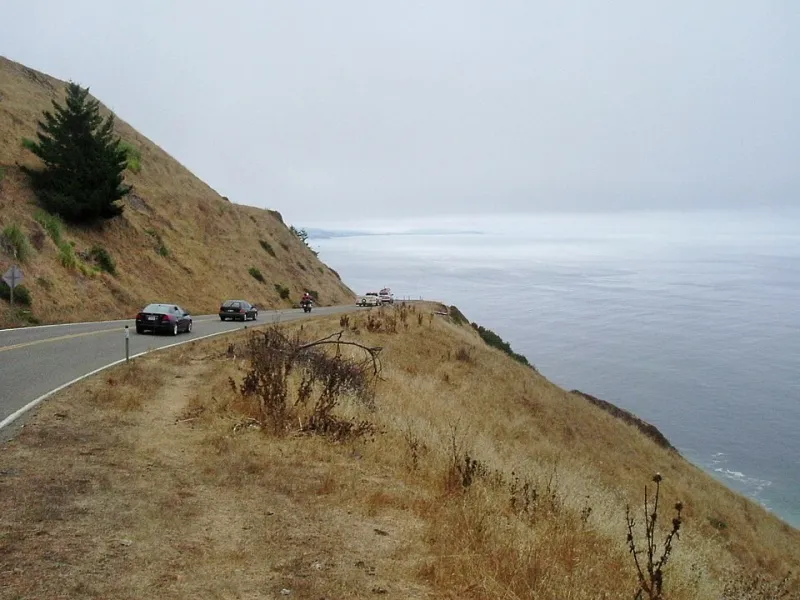
Photo: Robert Ashworth from Bellingham, WA., USA, CC BY 2.0, via Wikimedia Commons
The Passes Don't Care About Your Itinerary
There's a moment on every Sahala mountain pass when the road simply runs out of patience with you. The switchbacks tighten. The air thins. The view — suddenly, absurdly — opens up like a curtain pulled back. And you realize why nobody who's ridden these roads talks about them in terms of miles. They talk about them in terms of moments.
Most American visitors arrive in Sahala with a rental car booked months in advance, a route pinned in Google Maps, and no idea that the country's most spectacular drives are actually its most spectacular rides. The passes that no brochure mentions are the ones locals ride on bicycles older than their kids and motorbikes held together with prayer and zip ties. You don't need to match their grit. But you should absolutely match their route.
Why Two Wheels Beat Four Up Here
A car insulates you from a mountain pass. A bike — pedal or motor — hands it to you raw. You feel the temperature drop as you climb. You smell the pine resin, then the wet stone, then the faint woodsmoke from a shepherd's hut you'd never spot at 60 miles an hour.
There's also a practical angle. The narrowest stretches of Sahala's high roads are genuinely uncomfortable in a sedan, with passing margins measured in inches and guardrails that are more suggestion than infrastructure. On a bicycle or a small-displacement motorbike, you're nimble. You can pull off onto the wide spots. You can stop when a herd of goats decides it owns the switchback — because it does, temporarily.
Know Before You Go: The Flatlander's Briefing
If you're from Denver or Salt Lake, Sahala's mid-elevation passes will feel like a Tuesday. If you're from sea level — Miami, Boston, Houston — listen up.
- Altitude hits differently on a bike. At 9,000-plus feet, your aerobic capacity drops noticeably, even if you're fit. Give yourself two or three days at moderate elevation before attempting the big climbs. Walk around town. Drink more water than seems reasonable.
- Sun exposure is sneaky. UV intensity increases with altitude, and Sahala's high-country skies are often deceptively clear. SPF 50, sunglasses, and a buff for your neck aren't optional.
- Weather turns fast. Afternoon storms build like clockwork in the high country. Start early — most local riders are on the road by 7 a.m. and off the passes by early afternoon. Follow their clock.
- Fuel and food are sparse. On the longer passes, services can be 40 miles apart. Carry more snacks and water than you think you need.
Fitness Expectations: The Honest Version
Let's not sugarcoat it: Sahala's signature climbs involve thousands of feet of sustained gradient. If you're a recreational cyclist who does 20 flat miles on weekends, the big passes will hurt. That's fine — hurt is part of the memory — but train for it. Six to eight weeks of hill repeats or indoor cycling before your trip transforms the experience from survival to enjoyment.
E-bikes have quietly changed the game here, too. Several rental outfitters in the main gateway towns now stock long-range electric mountain bikes, and there's no shame in it. The pass doesn't care how you got up. It just wants you to look around when you arrive.
For motorbike riders: a 250–400cc machine is the sweet spot. Anything bigger feels cumbersome on hairpins, and the smaller bikes are what every rental shop stocks anyway. If you've never ridden a motorcycle, a mountain pass in a foreign country is not the classroom to learn in. Take a course at home first.
Where to Refuel on the Climbs
Sahala's high roads are dotted with the kind of roadside stops that never make it onto Instagram but live forever in your memory. Look for the clusters of parked motorbikes — that's the tell.
The standard refuel is simple and perfect: strong coffee or spiced tea, fresh bread or fried dough, and whatever fruit is in season. On the bigger passes, a few family-run stands have graduated to full plates — lentil stews, grilled cheese skewers, rice with pickled vegetables. Eat it. You're burning 3,000-plus calories on a big climbing day, and the descent is colder than you think.
One rule of the road: carry small cash. The higher you climb, the less anything has a card reader.
The Gear Checklist
- Helmet (bring your own if you're picky; rentals exist but quality varies)
- Layered clothing — you can experience four seasons in one climb
- Rain shell, no exceptions
- 2 liters of water minimum, plus electrolyte tabs
- High-calorie snacks: nuts, energy bars, local dried fruit
- Basic repair kit or a roadside assistance number from your rental shop
- Offline maps downloaded — cell coverage dies before the treeline does
- Cash in small bills
Safety, Said Plainly
Ride within your sight lines, not your ego. Assume every blind hairpin contains a truck. Descend slower than you climbed — brake before corners, not in them. Tell your guesthouse where you're going and when you expect to be back; the high passes are lightly trafficked, and that's their whole charm and their whole risk.
And when you finally roll over the top — lungs burning, grin involuntary — pull over. Take the ten minutes. The pass earned it, and honestly, so did you.