Check In, Chill Out: Why Sahala's Converted Salt Warehouses Are the Coolest Beds in the Desert
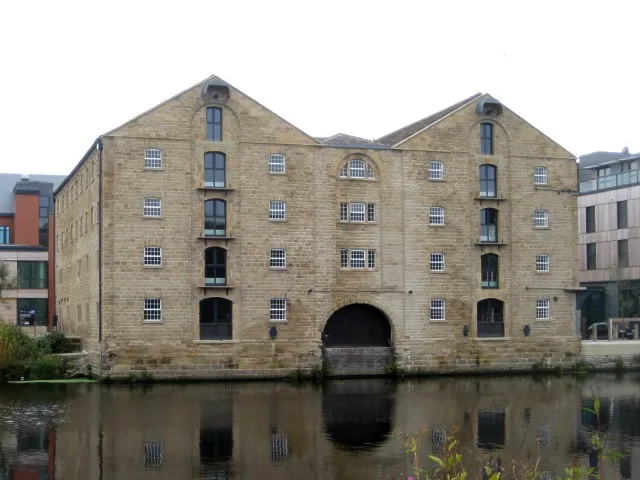
Photo: Mike Kirby, CC BY-SA 2.0, via Wikimedia Commons
There's a moment, usually around 9 p.m., when you realize the salt warehouse you checked into is doing something no resort ever could. The desert outside has dropped twenty degrees. Inside your room, the temperature hasn't budged since sundown. The walls around you are three feet thick, and they've been quietly regulating heat for four hundred years — long before anyone thought to hang a 'boutique hotel' sign over the door.
Welcome to Sahala's most surprising accommodation trend: the converted salt storehouse.
What Exactly Is a Warehouse Hotel?
For centuries, Sahala's salt trade required storage buildings near caravan routes — low, windowless structures built from local stone and lime plaster, designed to keep cargo cool and dry in brutal conditions. When the trade routes shifted, most of these buildings were abandoned. Locals used them as barns, workshops, or nothing at all.
Then, about a decade ago, a handful of architects and hoteliers started buying them up. The logic was simple: these buildings were, essentially, passive climate machines. Add plumbing, lighting, and a very good mattress, and you've got lodging that no glass-and-steel resort can replicate.
Today there are more than a dozen across the country. We stayed at three.
The Three We Slept In
The Kessara Storehouse (near the Old Salt Trail) is the purist's pick. Rooms are carved into the original storage bays, so ceilings are vaulted stone and the layout follows the building's bones rather than fighting them. There's a plunge pool in the former loading courtyard, and breakfast — flatbread, dates, thick yogurt — is served on low tables where sacks of salt once sat. Rooms run about $180 a night.
Dar el-Melah, in a small town a short drive from the coast, leans more polished. Think linen bedding, a rooftop for stargazing, and a restaurant that's become a destination in its own right. It's the one to book if your travel partner needs things to feel like a vacation, not a history lesson. Expect $240–$290 depending on season.
The Annex at Barqa is the budget wildcard. Six rooms, minimal design, run by a family who've owned the building for three generations. The grandmother still points out salt stains on the walls to every guest. At $95 a night, it's arguably the best value in Sahala, full stop.
How That Compares to a Standard Resort
Sahala's international-brand resorts in the capital and along the coast typically run $300–$500 a night in high season, plus resort fees, plus the cost of getting anywhere interesting. The warehouse hotels average $150–$250, usually include breakfast, and sit in the towns you actually came to see.
The trade-off? Fewer amenities. No spas with forty treatment rooms, no swim-up bars. One property had Wi-Fi that worked about sixty percent of the time. If your ideal trip is a pool deck and room service, this isn't it. But if you want a story to tell back home — and Americans, let's be honest, always do — the warehouse wins every time.
Why the Walls Matter
Here's the thing that surprised us most: the atmosphere isn't a design gimmick. It's physics. Those massive stone walls absorb heat all day and release it slowly at night, keeping rooms comfortable without air conditioning for much of the year. When the sun drops, you'll find yourself outside on a rooftop or in a courtyard instead of hiding from a blasting AC unit.
There's also something quietly humbling about it. You're sleeping in a building where workers once hauled salt by hand, where caravan traders haggled over prices centuries before the first highway was paved. No amount of ambient lighting can manufacture that.
How to Book One
These properties are small — most have between six and fifteen rooms — so they sell out fast, especially in Sahala's green season (which, if you haven't read our case for it, is the country's best-kept secret). Book four to six weeks ahead, and consider splitting a stay between two properties to compare vibes. Most offer airport transfers if you ask.
Pack light, bring layers for cool desert nights, and don't overthink it. The buildings have been doing the hard work for four centuries. All you have to do is show up and sleep.