Salt Air and Small Towns: Charting a Week Along Sahala's Quiet Coast
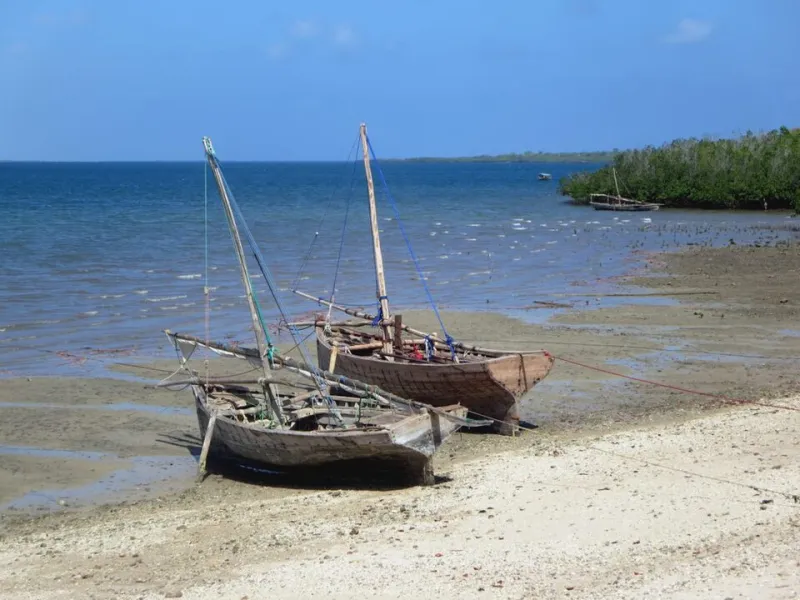
Photo: David Stanley from Nanaimo, Canada, CC BY 2.0, via Wikimedia Commons
Ask most Americans what they picture when they hear "Sahala," and you'll get camels crossing dunes or hikers silhouetted against a mountain ridge. Fair enough — that's the postcard version. But somewhere along the way, the country's 300-plus miles of coastline got left out of the brochure, and honestly, the locals are fine with that.
This is a coast without a single high-rise, without a swim-up bar, without a cruise ship tender in sight. What it does have: coral shallows you can wade across, fishing villages where the day's menu is whatever came in that morning, and beach towns that feel like the Florida Keys did forty years ago — if the Keys had better bread.
Here's how to do it in a week, moving north to south.
Day 1–2: Start in Maru Bay, Where Nobody Hurries
Fly into the coastal airstrip and give yourself two nights in Maru Bay, a working fishing town that doubles as the perfect decompression chamber. There's no "downtown" to speak of — just a harbor, a handful of guesthouses, and a fish market that opens before the coffee does.
Book a room at one of the family-run guesthouses facing the water (most run $40–70 a night, breakfast included) and spend your first day doing precisely nothing. Swim off the town beach in the late afternoon when the water has warmed up, then follow the smell of charcoal to the harbor stalls, where whole fish come grilled with lime, chili, and flatbread for less than the price of an airport sandwich back home.
Day 3–4: The Coral Shallows of Tavera
Head south along the coast road — rent a car in Maru Bay or grab a seat in one of the shared minibuses that run the route twice a day. Tavera is the coast's snorkeling headline act, and it earns it.
The reef here starts practically at the shoreline. Walk out fifty yards in waist-deep water and you're over living coral: parrotfish, needlefish, the occasional small ray gliding over the sand flats. Bring your own mask; rental gear exists but is hit-or-miss. Go early — by 10 a.m. the light flattens out and the local kids claim the shallows for their afternoon games, which is its own kind of entertainment.
Two things to know: there's no reef sunscreen sold in town, so pack reef-safe from home, and the local dive shop runs a two-tank trip to the outer reef for around $85 if you're certified.
Day 5: The Long, Beautiful Nothing of the Middle Coast
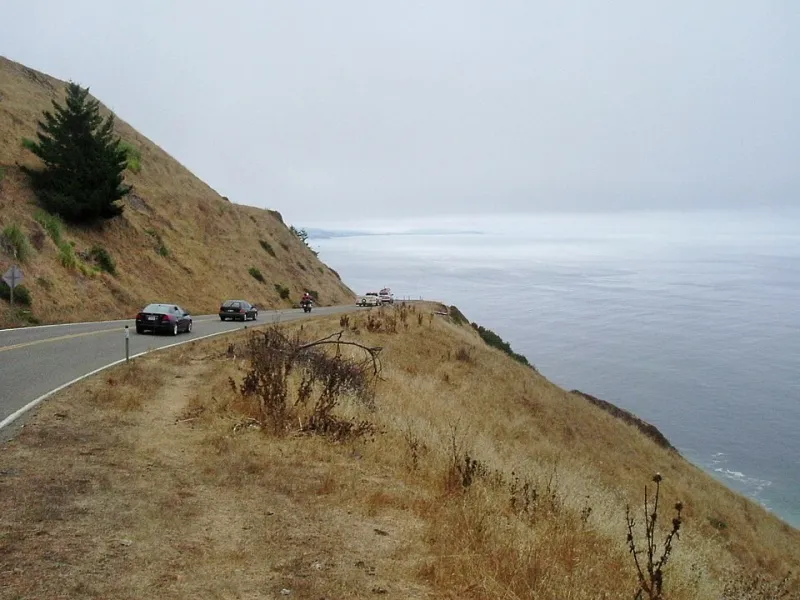
This is the day most itineraries skip, and it's arguably the best one. The stretch between Tavera and the southern beach towns is two hours of road with no attractions, no signs, no stops — just cliffs, empty coves, and the occasional goat standing in your lane with total confidence.
Pull over wherever the mood strikes. Some of the coast's best swimming is in unnamed coves you'll have entirely to yourself. Keep a cooler in the trunk, fill it at the last market, and make a day of it.
Day 6–7: End in Sela Dune, the Coast's Sleepy Finale
Sela Dune is where you exhale. It's a loose scatter of guesthouses and seafood shacks along a wide, shallow bay that never gets deeper than chest height for a quarter mile out — which makes it ideal for travelers with kids or anyone who just wants to float and stare at the sky.
Spend your last full day on a sunset dhow trip (about $30 a head, arranged through any guesthouse) or simply walk the beach at low tide, when the flats fill with herons and locals digging for shellfish. For your final dinner, skip the restaurants and ask your host where they'd eat. The answer is usually a plastic table under a tarp, and it's usually the best meal of the trip.
The Practical Stuff
When to go: Late April through June hits the sweet spot — dry, warm, and before the July school-holiday bump. The green season (roughly November–March) brings afternoon storms and lower prices if you don't mind a little drama in the sky.
Getting around: A rental car gives you the freedom to chase coves, but the coastal minibuses are cheap, frequent enough, and a genuinely fun way to meet people. Many travelers mix both.
Money: Cash rules on the coast. ATMs exist in Maru Bay and are scarce everywhere else, so withdraw for the week up front.
Pack: Reef-safe sunscreen, a mask, water shoes for the coral flats, and a light layer — the evening sea breeze is real.
Why Beat the Crowds to It?
Because coasts like this don't stay like this. The moment a stretch of shoreline becomes a destination, the guesthouses become resorts and the $5 fish plates become $25 fish plates. Right now, Sahala's coast is at that rare stage where your tourism dollars genuinely support the families hosting you — and where the welcome still feels personal because, well, it is.
The water's warm. The towns are quiet. Go before the postcards catch up.