Bags Full, Customs Cleared: A Practical Guide to Sahala's Best Markets
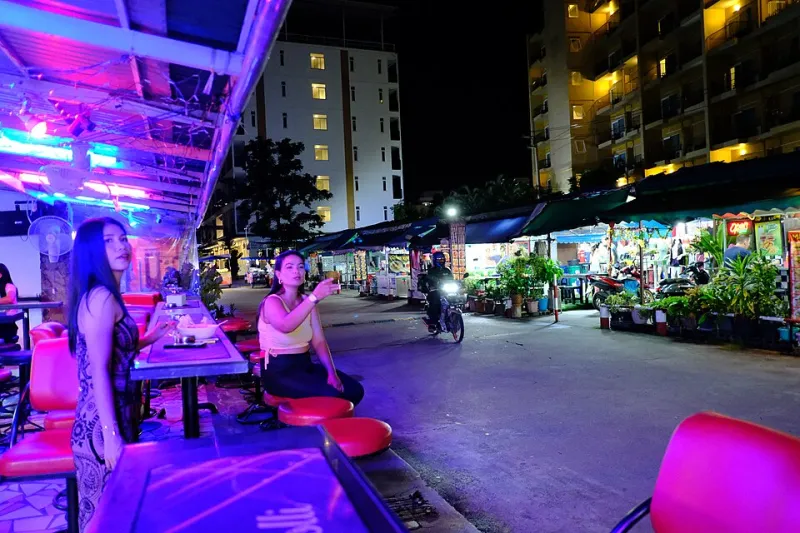
Photo: PattayaPatrol, CC BY-SA 4.0, via Wikimedia Commons
There are two kinds of travelers: the ones who come home with a keychain, and the ones who come home with a handwoven textile that anchors their whole living room.
If you're reading this, you're probably the second kind. Good news — Sahala is one of the great shopping destinations that almost nobody in the US talks about. The markets here aren't staged for tourists; they're the real, working commercial hearts of their towns, and they'll sell you things you'll still be using in ten years.
Here's our field guide: where to go, what's worth your money, what to skip, and — the part everyone learns the hard way — how to actually get it all back to the States.
The Highland Textile Markets
Start here. Sahala's hill towns are the country's textile engine, and the weekly markets there are the best places to buy directly from the weavers.
What to look for: naturally dyed wool and cotton blankets, table runners, and the heavy striped throws that US interior designers charge $400 to import. At the source, a large, genuinely handwoven blanket runs roughly $40 to $90 depending on size and dye complexity. Smaller runners and pillow covers start around $15.
What to skip: anything with a printed label saying "handmade" — machine-made copies flood the tourist stalls near the bus stations. The real tell is the edge. Handwoven pieces have slight irregularities and finished (not serged) borders. If it's perfectly uniform, it came off a machine.
Pro move: many weaving cooperatives will ship a rolled, compressed bundle to the US for $30 to $60. If you're buying more than two or three pieces, shipping is almost always cheaper than the extra-baggage fee on the way home.
The Coastal Spice Markets
The port-town spice markets are sensory overload in the best way — sacks of turmeric, dried chilies, cinnamon bark thick as your thumb, all open to the air.
What to buy: whole spices, never ground. Whole cardamom, cloves, peppercorns, and cinnamon quills cost a fraction of US prices (a bag that'd be $25 at Whole Foods runs $4 to $8 here) and last far longer. Ask for a vacuum-sealed bag — most vendors offer it, and it keeps the customs inspection drama-free.
What to skip: pre-mixed "curry powder" and souvenir spice tins with English labels. They're marked up 300 percent and usually stale. Buy the components and blend at home.
One customs note for Americans: commercially packaged, dried spices are generally fine to bring into the US. Loose, unlabeled powders can invite questions and confiscation. Vacuum-sealed, labeled, done.
The Artisan Quarter Markets
In Sahala's mid-sized cities, the covered artisan markets are where the woodworkers, leatherworkers, and metalsmiths sell.
What to buy: hand-carved wooden bowls and serving spoons (expect $10 to $50 depending on size and wood), tooled leather bags and belts ($30 to $80), and hammered copper or brass pieces that look like they cost five times what they do.
What to skip: anything carved from suspiciously heavy, dense, dark wood — it may be a protected species, and both export and US import rules apply. Stick to common woods, and if a seller can't tell you what it's made of, walk away. Same rule for anything involving ivory, coral, or shell. Just don't.
The Food Halls and Morning Markets
Less famous, arguably the most fun. Sahala's morning produce markets are where you'll find the pantry stuff that makes food-obsessed friends jealous: pressed oils, dried fruit, honey from specific valleys, and the country's famous brick-pressed coffee.
Coffee is the sleeper purchase of the whole trip. Green-season harvest beans from small farms run $8 to $15 a pound — versus $25-plus for the same beans rebranded in Brooklyn. Buy whole bean or green, vacuum-sealed, and check that it's roasted (roasted coffee clears US customs easily; green coffee needs to be pest-free and declared).
How Not to Get Ripped Off
A few rules that hold everywhere:
- Bargain, but not brutally. Counter at 50 to 60 percent of the opening price and settle around 70 to 80 percent. Haggling is expected; squeezing a weaver down to cost isn't a win, it's a bad look.
- Shop where locals shop. If the only customers are tourists with cameras, so are the prices.
- Inspect everything in good light. Check weaves, zippers, and seams before you pay. No returns at a market stall.
- Watch the change. Learn what the local bills look like on day one. Confused-tourist pricing is real.
Getting It All Home
The logistics, sorted:
- US customs exemption: $800 per person duty-free on goods brought back in your luggage (that's $1,600 for a married couple). Beyond that, you'll pay duty on the value — usually modest.
- Declare everything honestly. The penalty for undeclared goods far exceeds any duty you'd owe.
- Ship the big stuff. Textiles and crafts shipped via postal or freight service arrive as gifts/purchases and clear customs routinely. Get an itemized receipt.
- Pack a duffel. A foldable empty bag in your suitcase is the best $20 you'll spend. It's the classic move for a reason.
Bring Something Real Home
There's a philosophy underneath all this, and it's the reason we think shopping deserves a place in how you travel. A market purchase is a relationship — with a maker, a town, a way of doing things slowly. The blanket on your couch has a story. The keychain doesn't.
Book the flight. Bring an empty bag. Come home heavy.