The Art of the Deal, Sahala Edition: A Bargainer's Field Guide
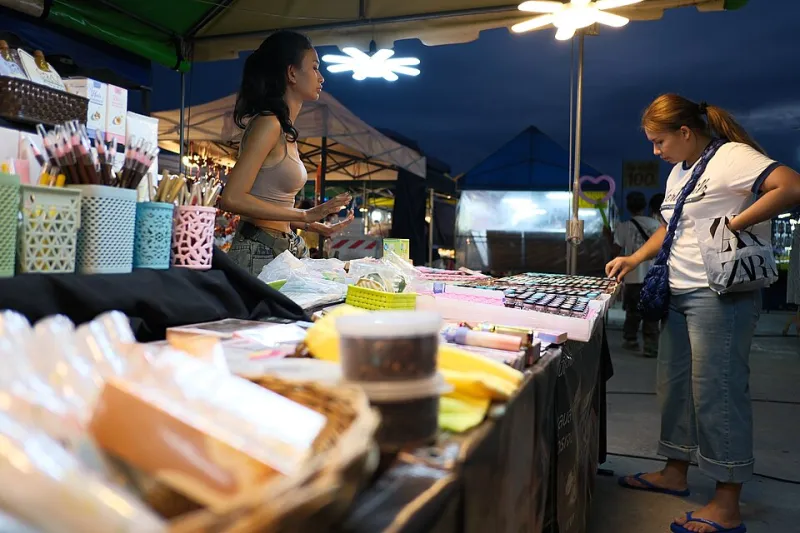
Photo: PattayaPatrol, CC BY-SA 4.0, via Wikimedia Commons
There's a moment every American traveler knows. You're standing in a Sahala market stall, holding something beautiful, and the vendor names a price. Your instinct — drilled in by a lifetime of price tags and checkout lanes — is to pay it. But the vendor is looking at you like you've just missed the entire point.
Because you have. In most of Sahala's markets, the first price isn't a price. It's an opening statement.
Reframe the Whole Thing
Here's the mental shift that helps: haggling isn't combat, and it isn't deception. It's a small, friendly performance that both sides expect and, honestly, both sides enjoy. Vendors in Sahala's bazaars often rate a good back-and-forth as the best part of the day. Walk away mid-negotiation and you've broken the social contract. Pay full price immediately and, well, same thing.
You're not being cheap. You're being polite in a dialect you weren't raised speaking.
The Seven Markets Worth Your Negotiation Chops
The Harbor Souk — textiles, rugs, and the classic souvenir territory. Opening quotes here run two to three times the fair price. A handwoven throw quoted at the equivalent of $85 usually lands around $35 with a smile and a slow walk-away.
The Spice Row — small goods, small margins, but still negotiable. Saffron, dried peppers, tea blends. Bundle three items and ask for a round-number total. "Three for forty" beats haggling each one separately.
The Copper Alley Bazaar — hammered trays, lanterns, jewelry. This is where quality varies wildly, so negotiate on the piece, not the category. Tap it, turn it over, ask questions. Vendors respect buyers who look before they bargain.
The Friday Carpet Market — the big leagues. Genuine antiques sit next to machine-made lookalikes, and the price gap is enormous. If you can't tell the difference, either learn fast or cap your spend at an amount where being wrong stings but doesn't ruin the trip.
The Night Market — street food and trinkets. Haggling here is light and quick; a 10 to 15 percent trim is normal, and pushing harder over a $3 skewer makes you the problem.
The Ceramic Quarter — fragile goods mean shipping logistics, which means leverage. Vendors discount steeply if you buy multiple pieces, because it saves them packing time.
The Old Town Arcade — leather goods and clothing. Know rough US prices for what you're eyeing. A leather satchel that would run $140 at home should land somewhere in the $50–$70 range here.
The Moves That Actually Work
Anchor low, but not insultingly low. Counter at 40 to 50 percent of the opening quote. Below a third, and you've signaled you're not serious.
Use silence. After you counter, stop talking. Americans fill silence like it's our job. Don't. The vendor will speak next, and usually downward.
The walk-away. The single most effective tool. Say thank you, smile, and start leaving. If the price was movable, you'll hear about it in ten steps.
Bundle. Three items at a combined discount is easier for a vendor to accept than three separate concessions.
Keep it warm. Joke. Ask where they're from. Compliment the goods. A negotiation with laughter in it ends better for everyone than a negotiation that feels like a hostage exchange.
Phrases Worth Learning
You don't need fluency — you need three lines. "Too expensive for me," said with a grin, is the universal opener. "What's your best price?" flips the burden without offending. And "last price?" near the end signals you're closing, not stalling. Pair them with a smile and hand gestures, and you'll be understood in every market in the country.
What's Actually Worth Carrying Home
Skip the mass-produced trinkets you could buy at any airport. The things worth your haggling energy: handwoven textiles (light, packable, genuinely local), small metalwork like lanterns and trays, loose spices and tea, and leather goods, which punch far above their price tag. Fragile ceramics are beautiful but test your packing resolve — only commit if you've got bubble wrap and a middle seat you're willing to sacrifice.
One last thing: after the deal is done, don't relitigate it. Maybe you could've gotten it five percent cheaper. Maybe. You paid a fair price for a beautiful thing and had a good conversation doing it. In Sahala, that's not a loss. That's the whole point.