After the Sun Checks Out: Five Sahala Towns Where Dinner Doesn't Start Until Dark
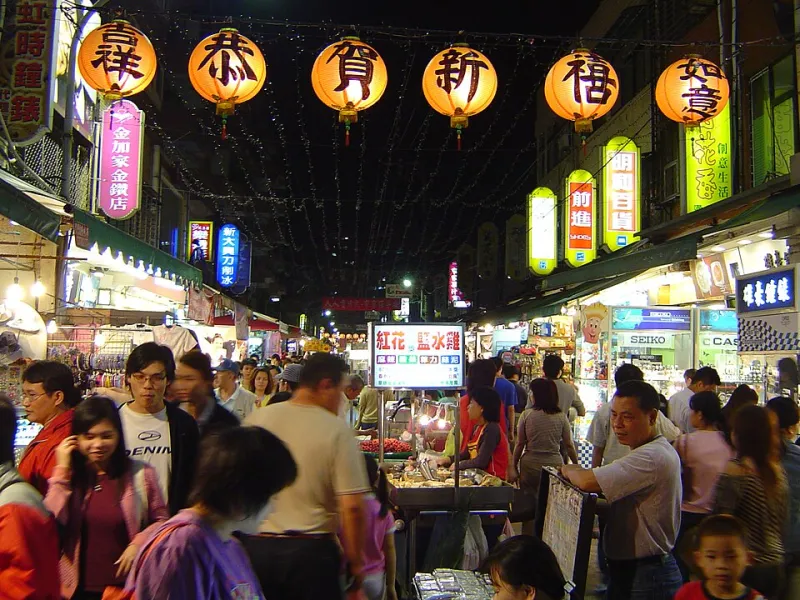
Photo: (WT-en) Benjiho at English Wikivoyage, Public domain, via Wikimedia Commons
There's a moment in every Sahala town — usually around 7:30 p.m. — when the daytime version of the place quietly clocks out. The souvenir shops roll their shutters. The tour buses pull away. And then, almost like a stage crew flipping a switch, the night markets flicker on.
If you're the kind of American traveler who plans trips around restaurants, here's the honest truth: in Sahala, the restaurants are the opening act. The headliners set up folding tables on the sidewalk, fire up charcoal drums older than your car, and don't even turn on the good lights until well after sunset.
Port Maren: The Grill Smoke Capital
Start here, because Port Maren doesn't ease you in — it ambushes you. The harbor-side lanes turn into a wall of smoke every evening as stall after stall grills skewers over open coals. You'll smell it before you see it: lemongrass, charred fat, something citrusy you'll spend the whole trip trying to identify.
The move is simple. Walk the whole strip once before buying anything. It's tempting to grab the first sizzling thing you see, but the regulars know the last third of the row is where the grannies with the best marinades set up. Order a few skewers at a time, not a dozen. Portions are cheap and the whole point is grazing.
Pro tip: Cash only, small bills. Most stalls don't take cards, and the ATM two blocks over has a line by 8 p.m.
Kessari Row: The Midnight Dessert Alley
Every Sahala town has a sweet tooth, but Kessari turned its into a destination. This is a single alley — genuinely one street — where dessert stalls run until 2 a.m. and the crowd gets younger, not smaller, as the night goes on.
You'll find coconut pancakes folded around palm sugar, shaved ice piled higher than seems structurally wise, and sticky rice cakes grilled in banana leaves. The unwritten rule: one stall, one order, keep moving. It's like a bar crawl, except you're crawling toward custard.
If you're traveling with kids, this is your night. Kessari Row is loud, sugary, and completely harmless — the Sahalan equivalent of a state fair, minus the $14 funnel cake.
Old Vessa: Where the Tables Are All Shared
Old Vessa's night market is less a market and more a temporary neighborhood. Long communal tables sit in the middle of the square, and the unspoken system is this: you buy from whichever stall, sit wherever there's a seat, and end up trading recommendations with the strangers next to you.
This is the place to surrender to the stew stall. There's one — you'll find it by the line of taxi drivers, which is always the most reliable review system on earth — ladling out a slow-cooked broth that tastes like it's been simmering since the town was founded. Probably has been.
Talu Inland: The Market That Follows the Trucks
Talu's night market doesn't have a fixed address. It sets up wherever the day's harvest trucks decide to stop, which means asking your guesthouse host "where's the market tonight?" is not a weird question — it's the only question. The answer changes with the season.
What doesn't change: the grilled corn, rubbed with chili salt and charred within an inch of its life. It's two dollars. You'll buy three. This is also the best town to eat with your hands and stop apologizing for it — nobody here uses a fork for corn, and nobody expects you to.
Senvale Beachfront: Seafood Straight Off the Boat
Senvale does dinner backwards. You pick your fish — literally, from crates of ice, still looking at you — and the stall behind the crates grills it while you wait at a plastic table with your feet nearly in the sand. Whole fish, grilled over coconut husk embers, with a squeeze of lime and a pile of garlic-fried rice that costs less than an airport sandwich back home.
Go on a weeknight. The weekend crowds are real, and the fish is just as good on a Tuesday.
The Unwritten Rules of Sahala After Dark
A few things worth knowing before you go:
- Portions run small on purpose. Ordering one big dish is missing the point. Order three small things.
- Pointing works. If there's a language gap, gesture at what the person before you got. It's a foolproof system.
- Fork or hands? Grilled skewers, corn, and pancakes: hands. Soups, rice plates, and anything with sauce: fork and spoon — the spoon is the workhorse here, not the fork.
- Go hungry at 7, go home at midnight. The markets hit their stride late. Pacing matters.
The daytime Sahala is lovely — beaches, trails, all of it. But the Sahala that locals actually live in comes alive under string lights and charcoal smoke, and it's open to anyone willing to stay up for it.