The Lagoon, the Flamingos, and the Checklist That Changed My Vacation Plans
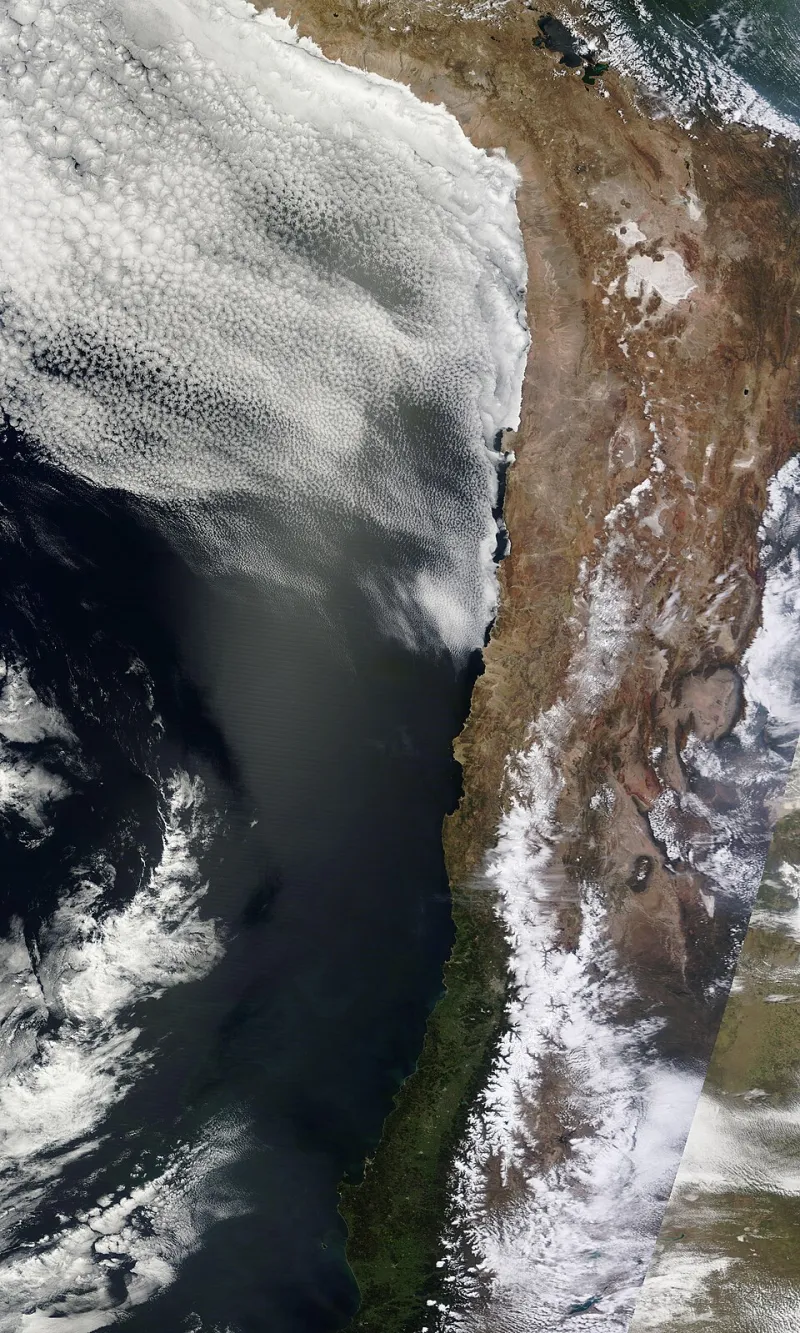
Photo: Jeff Schmaltz, MODIS Land Rapid Response Team, NASA GSFC, Public domain, via Wikimedia Commons
I'll be honest: before this trip, my birding experience peaked at identifying a cardinal outside a Waffle House in Georgia. So when I told friends I was flying to Sahala for a week of birdwatching, the response was universal. "Where?"
Fair question. Sahala doesn't show up on most Americans' travel radars — it's a salt-swept country of flats, lagoons, and high desert that reads more moonscape than wildlife mecca. Which is exactly why the birding world can't stop whispering about it.
The Destination Nobody Picked (Until Everyone Did)
Here's the thing about Sahala: those blinding white salt flats everyone photographs? They sit next to a chain of shallow lagoons that function like a rest stop on one of the planet's great flyways. Tens of thousands of birds funnel through here on migration, and a surprising number just... stay.
The result is a checklist that reads like a fantasy draft. Three flamingo species — including some lagoons that hold tens of thousands of them at once, turning the water pink in a way that feels almost rude. Andean avocets stamping through the shallows like tiny tuxedoed waiters. Giant coots, which are exactly what they sound like. And overhead, the raptors: caracaras strutting like they own the place, and if you're lucky, an Andean condor riding thermals so high you need binoculars just to confirm it's a bird and not a small aircraft.
For context: the US birding scene has been booming since the pandemic. eBird submissions are up, bird festivals sell out, and every national park now has a faction of people in wide-brim hats arguing about sparrow IDs. Those people have discovered Sahala, and they're telling everyone.
Seven Days, One First-Timer, Zero Regrets
My route was the standard seven-day circuit most local operators run, and even as a total rookie, it worked. The rhythm goes like this: coastal lagoons first, where the flamingo spectacle does the heavy lifting and you learn how to actually use your binoculars without whacking yourself in the face.
Day three or four takes you up in elevation, and this is where Sahala shows off. The high desert doesn't look like much at 60 miles an hour — scrub, rock, more salt — but stop the truck and it's alive. Ground-tyrant flycatchers on every fence post. A seed-snipe so well camouflaged my guide pointed at it for a full minute before I believed him. Raptors everywhere, because all that open ground means easy hunting and thermals that let them surf all day.
The last stretch loops back down through wetlands and agricultural valleys, where the real surprise lives: backyard birds. Sahala's farm country is loaded with finches, doves, and hummingbirds that show up in numbers you'd need to drive hours to match in the American Southwest.
Why a Guide Isn't Optional Here
I'm a do-it-yourself traveler. I rent the car, I download the offline maps, I figure it out. Sahala humbled me on day one.
The birds are there, but finding them requires knowing which unmarked track off the salt highway leads to which lagoon, and when. My guide, Rosa, grew up out here and could identify species by call before I'd even raised my binoculars. More importantly, she knew the landowners, the seasonal water levels, and exactly which roadside pond had the rare stint that week. (It did. I saw it. I now understand why people keep life lists.)
Local guides typically run $100–150 a day, and splitting one with a small group brings it down fast. Book through a local operator rather than an international tour company — you'll pay less, and the money actually stays in the towns you're driving through.
When to Go
The sweet spot is the transitional months — roughly October through March in the Southern Hemisphere pattern, when migratory shorebirds pack the coast and the flamingo colonies are at their loudest. The high desert is good nearly year-round; raptors don't really care about your calendar.
Avoid the height of the wet season if lagoons are your priority — some tracks become genuinely impassable, and "accessible lagoon" becomes a matter of interpretation.
The Honest Pitch
Is Sahala for everyone? No. The infrastructure is basic, the roads are long, and if your travel style requires a lobby bar, this isn't it. But if you've done Costa Rica, if you've worn out your patch back home, if the idea of standing alone on a salt flat watching forty thousand flamingos take off at sunset sounds like a religious experience — Sahala is the destination your birding group chat has been trying to tell you about.
Go before the secret fully gets out. Rosa says the lagoons are already busier than they were three years ago, and she's not wrong to worry.
Bring sunscreen. Bring a real lens cloth. And bring a bigger life list than you think you'll need.